
You Felt Something Shift—Ask Yourself, Am I Biased?
Have you ever paused to wonder, “Am I biased?” It’s a thought-provoking question, isn’t it? The truth is, we all have our own perspectives shaped by our experiences, beliefs, and even the information we consume. It’s vital for each of us to recognize that biased moments can occur, and while some may attempt to rationalize their behavior based on specific contexts, this is an opportunity for growth. Acknowledging that biased actions influence how we serve customers, interact with colleagues, and engage with diverse communities is essential for maintaining a positive environment. These biases can trigger a ripple effect, where negative experiences are passed on, perpetuating an unhealthy cycle. By consciously addressing our biases, we can create a more inclusive atmosphere, enhance relationships, and promote understanding in our personal and professional lives.
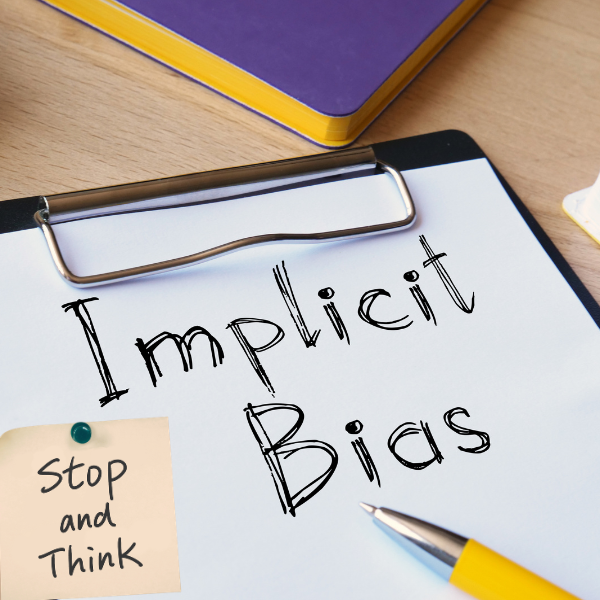
Bias refers to a preconceived notion or inclination that leads individuals to favor or disfavor certain people, groups, or ideas, often in an unjust manner. It manifests as a prejudice, shaping our perceptions and interactions in ways that can be unfairly skewed. In recent years, numerous organizations have recognized the importance of addressing bias and have started implementing comprehensive bias training programs for their staff. These training sessions are designed to cultivate awareness and understanding around bias in the workplace.
A significant portion of these training programs concentrates on explicit bias, also known as conscious bias. This type of bias involves overt expressions or behaviors reflecting unfairness. For example, it can include direct discrimination based on race, gender, or other characteristics where individuals are aware of and intentional in their prejudiced actions.
On the other hand, implicit bias, or unconscious bias, pertains to the subtle attitudes and stereotypes that influence our thoughts and actions without our conscious awareness. This form of bias can affect decision-making processes, interactions, and judgment, often without individuals realizing it. Understanding both explicit and implicit bias is crucial for creating an equitable and inclusive environment.
The article opens with a compelling question: Am I biased? This inquiry underscores the significance of self-reflection in acknowledging our own biases. However, I wish to take a different perspective on the concept of self-reflection. Picture this: a woman exits a bustling restaurant, where the atmosphere had been cheerful, and the majority of diners—about 97 percent—were white. As she steps out into the cool evening air, a sense of relaxation washes over her. Her lips form a gentle smile as she takes in the world around her.
But then, her gaze shifts. A few feet away, she spots two Black males walking toward her. In an instant, her heart begins to race, and she feels an involuntary tension grip her arm as she clutches her purse a little tighter. Suddenly, the comfortable ambiance of the restaurant feels distant, replaced by an unsettling wave of uncertainty. She hesitates on the sidewalk, caught off guard by the sudden shift in her emotions and physical state, unsure of which direction to take next.
This moment prompts a deeper questioning: What triggered this abrupt change in her mental state? Could her physical reaction be a symptom of an underlying bias? By taking the time to reflect on such experiences, individuals can uncover layers of their own reactions and better understand the dynamics of bias in their lives. It invites the important reflection: “Am I biased?”—a question that can lead to greater awareness and a more inclusive perspective.
It’s common for us to overlook the connections between our emotions, mental state, and even physical sensations in our bodies when we interact with different individuals or groups. Sometimes, these changes can indicate that we may be experiencing bias in those interactions.
You might notice certain symptoms emerging during these moments, such as:
- Emotional symptoms: feelings of fear, anger, anxiety, defensiveness, disgust, sudden changes in mood, or even guilt.
- Physical symptoms: an increased heart rate, unexpected fatigue, muscle tension, or a tightness in your throat, neck, or jaw. Some people might even experience shaking or twitching.
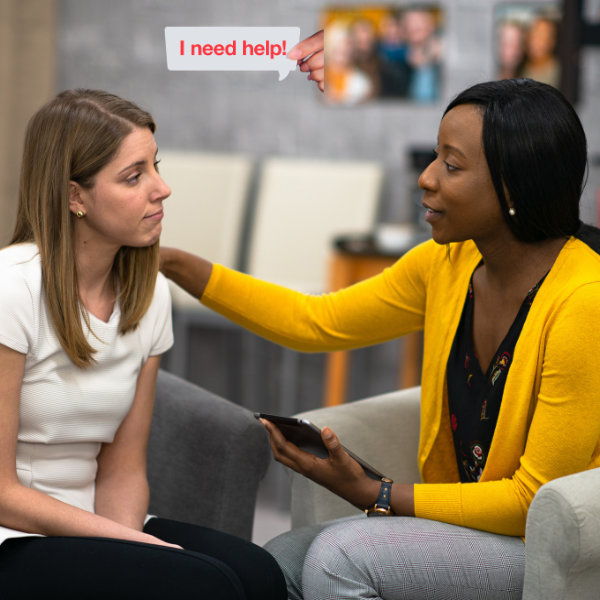
It’s essential to recognize that while these symptoms can be linked to bias, they can also arise from various medical conditions. It’s always wise to consult with a healthcare professional if you’re concerned about your health.
As you reflect on your experiences, consider whether you tend to feel these symptoms around specific individuals or groups. Do negative thoughts about them surface after such experiences? Noticing these patterns can be incredibly valuable. It might also be helpful to reach out to a therapist or counselor who can provide professional support in navigating any past traumas or experiences that may be influencing your feelings. Remember, you are not alone in this journey, and seeking help is a courageous step towards understanding yourself better.
Embarking on the thrilling journey of self-awareness is a powerful way to confront the question: Am I biased? Each of us has the chance to dive deep into understanding our mental and physical transformations, unlocking the potential to embrace a vibrant, inclusive lifestyle. It all begins with acknowledging our own biases and discovering how they shape our experiences and interactions with others every day. Get ready to ignite your passion for growth and connection!
I’d love to hear your insights on this article. Have you encountered any of these symptoms connected to biased behavior in your own experiences?