
Forced Reform, Fragile Trust: Why the Public Remains Skeptical
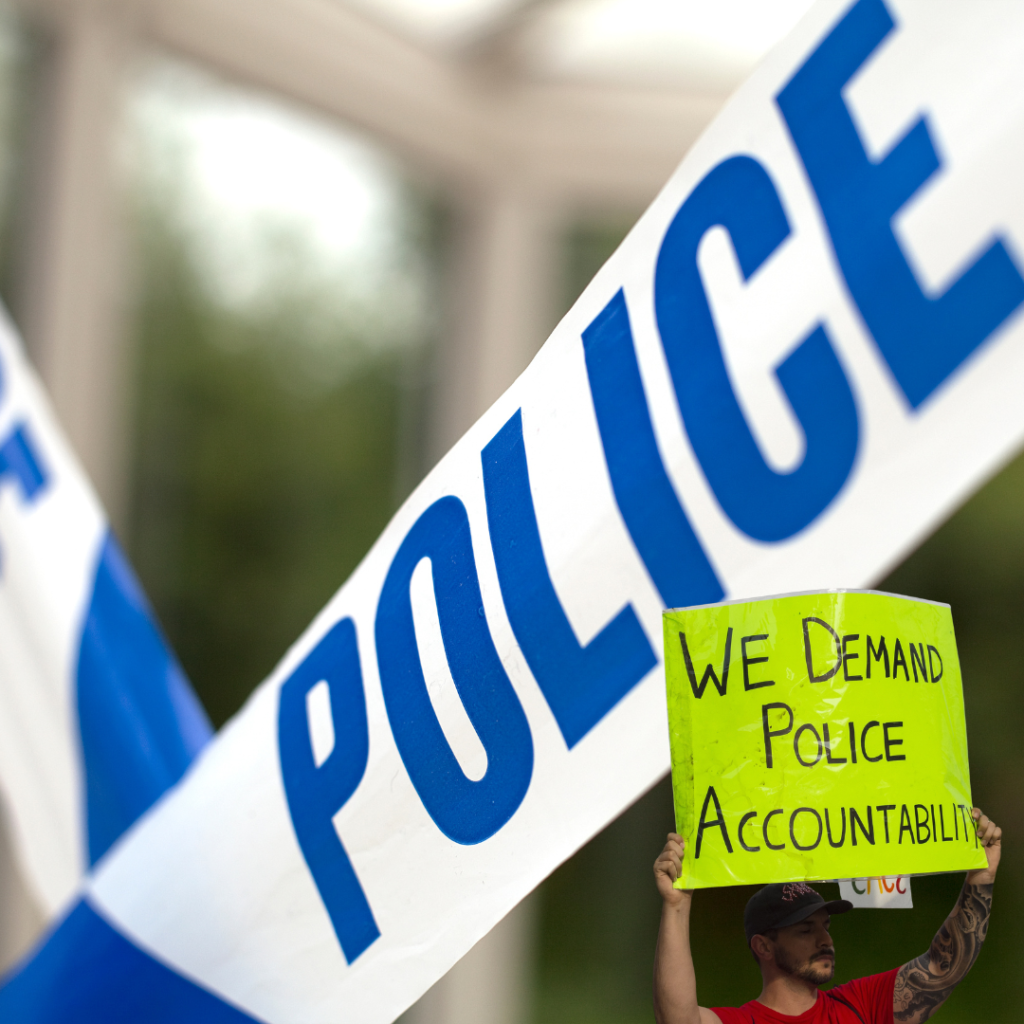
In communities across the United States and various countries around the world, conversations about policing have shifted from points of speculation to urgent calls for change. High-profile incidents of police violence, disproportionate impacts on Black and Brown communities, and years of documented misconduct, including creating a false narrative in reports, have pushed demands for reform into mainstream discourse. Yet despite numerous reform efforts—from body cameras and revised use-of-force policies to consent decrees and civilian oversight boards—public trust in police remains fragile. Why?
Let’s unpack the forces at work.
1. Reform Is Often Reactive, Not Proactive
Numerous reform initiatives often emerge only after a police agency faces public scrutiny due to a wrongful act. Whether spurred by a viral video or a critical report, agencies tend to react under pressure rather than engage in genuine, long-term planning. This reactive approach conveys a disheartening message: reforms are merely temporary solutions instead of meaningful, structural changes.
When transformation feels compelled rather than embraced, it’s natural for the public to doubt its sustainability. If police agencies proactively initiated reforms and implemented innovative strategies for addressing problematic officers in the same way they tackle crime prevention, the community might witness a more responsive and unbiased police force. Such efforts could help restore faith in law enforcement, emphasizing transparency and commitment to serving the public. When change arises from external pressure rather than a genuine internal drive for improvement, it often comes across as inauthentic.

2. Surface Changes vs. Structural Overhaul
A common criticism is that many reforms focus on optics. Mandating body cameras, for example, looks like accountability—but without clear enforcement protocols, data transparency, or consequences for officers who break policy, cameras become decorations rather than deterrents.
Similarly, bias training can raise awareness, but without transforming hiring practices, performance evaluations, and promotion criteria, it’s akin to treating symptoms without curing the cause.
3. Accountability Gaps Fuel Distrust
Central to widespread skepticism is the belief that police rarely face genuine accountability for their actions. Internal investigations often provide a shield, protecting officers from meaningful consequences. Police unions negotiate disciplinary measures that can effectively neutralize responses to misconduct. Additionally, the doctrine of qualified immunity and various legal barriers complicate efforts to hold officers personally responsible. The outcome of this system? Communities witness repeated incidents with little to no repercussions. When accountability mechanisms remain feeble, reform announcements ring hollow and ineffective.
4. Communication Failures Amplify Misgivings
Trust is rooted not just in actions but in open communication and transparency. Unfortunately, many communities often feel sidelined from reform processes, leaving them feeling unheard and undervalued. When decisions are made behind closed doors or in complex legal terms, it can create a disconnect between officials and the very people they aim to serve, particularly those most affected by these changes.
It’s disheartening when police leaders struggle to express the significance of reforms or resort to jargon, as this can undermine community trust and convey a message that people’s concerns aren’t truly understood or appreciated. This type of communication may imply that community members aren’t capable of grasping the reasoning behind decisions, which can further alienate them. Instead, developing an environment where the public’s insights are valued would not only enhance understanding but also nurture a sense of collaboration, leading to a more inclusive and harmonious process for everyone involved.
5. Historical and Intergenerational Trauma
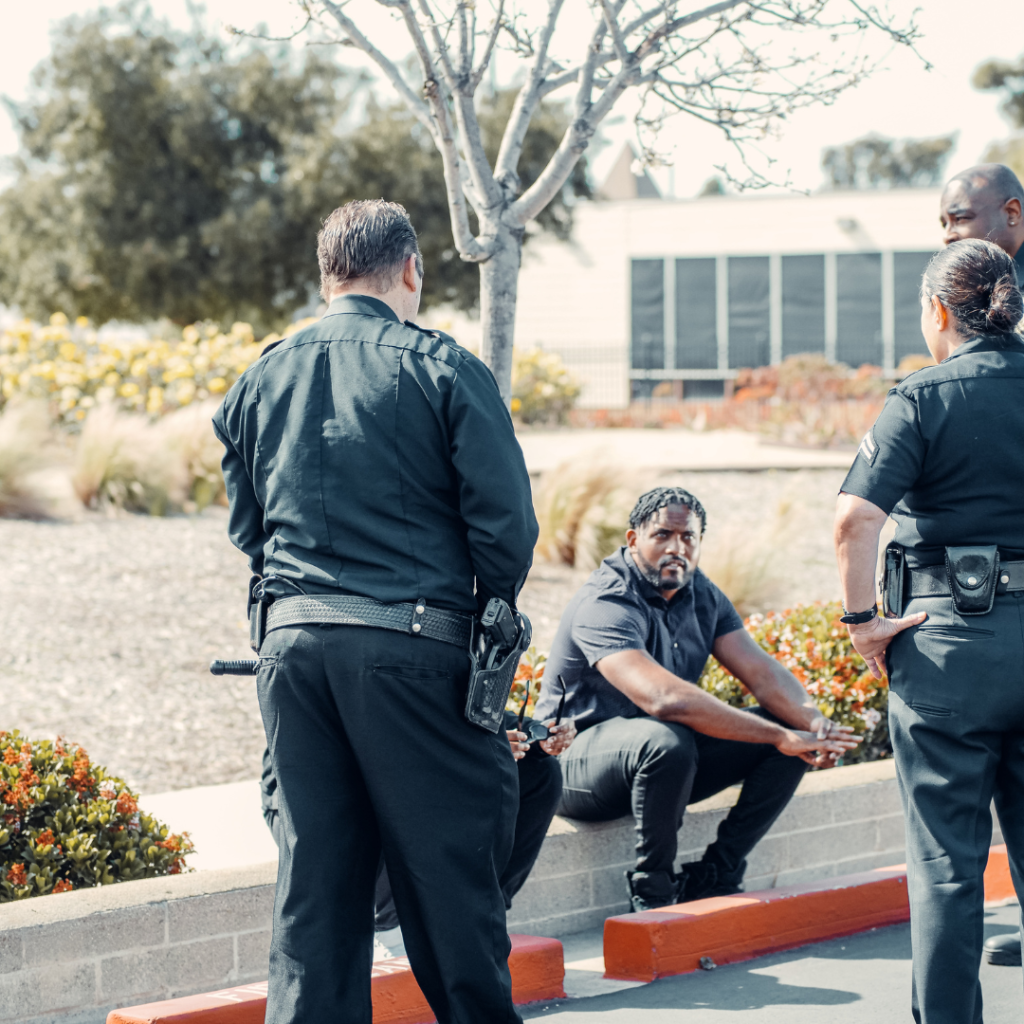
For numerous communities across the nation, skepticism towards law enforcement is deeply entrenched, stemming from generations of lived experiences. The roots of policing in America can be traced back to the days of slave patrols, coupled with a long history of racially biased enforcement practices. These historical injustices are not merely distant memories; they are vivid realities that have been transmitted from one generation to the next, creating a profound emotional impact. Trust in the police is not something that can simply be conjured up through the introduction of new policies or reforms—it is a complex process that must navigate the psychological wounds and collective memories that linger within communities.
This critical aspect of policing rarely receives adequate attention within discussions of reform, as many leaders tend to avoid it, believing that silence may shield them from further scrutiny. However, for those who have borne the heavy burden of trauma from negative police interactions, the need for dialogue is imperative. Openly addressing these experiences is vital for creating understanding and developing a genuine path toward reconciliation within the community. Acknowledging and discussing these emotional scars can pave the way for healing and building a more trusting relationship between law enforcement and the communities they serve.
6. Cultural Transformation within Agencies
Transforming institutional culture is far more challenging than merely changing policies, yet it is absolutely vital for progress. To achieve this, we must adopt values such as de-escalation, empathy, and community care as fundamental principles rather than optional extras. Law enforcement officers who have been trained in environments where biased practices and shortcuts to achieve unlawful objectives are prevalent will face significant challenges. Some may resist the idea of unlearning ingrained habits, fearing that it undermines their ability to effectively uphold their duties. However, this resistance not only jeopardizes the department’s overall work environment but also poses serious risks to public safety and rights. Embracing this cultural shift is essential for building a more just and effective policing system.
Conclusion
Understandably, many people feel skeptical about the police. This skepticism comes from a long history of experiences and promises that have often gone unfulfilled. To truly change this perception and build trust, it’s vital that reforms are comprehensive, transparent, and ongoing, with real input from communities. By working together and involving those directly affected, we can create a stronger sense of trust and hope for a better future.