
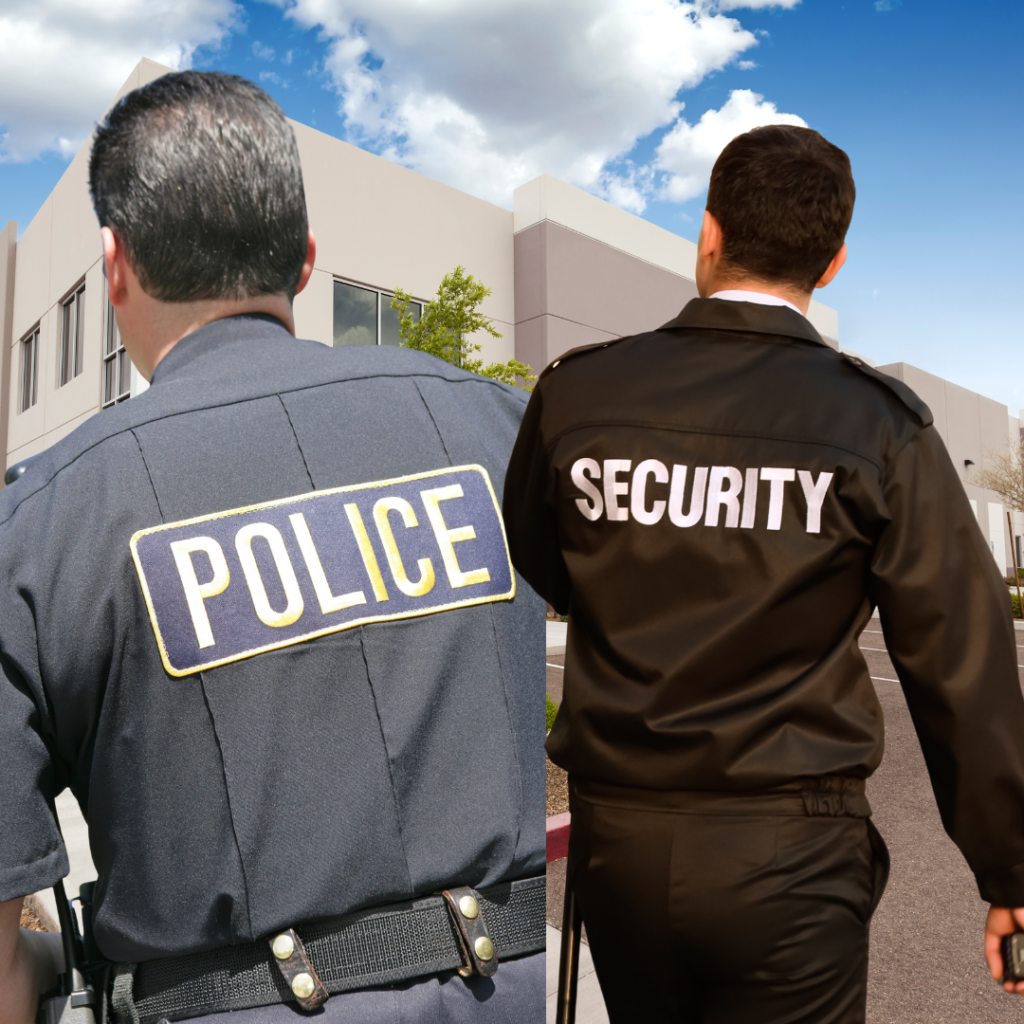
When the Badge Gets Heavy: Recognizing Moral Fatigue in Law Enforcement
Have you ever paused to think about the ethical dilemmas police and security officers grapple with every day? Many of us are aware of the negative perceptions surrounding these professions, and it’s true that some of this criticism is warranted, stemming from the actions of a few officers who don’t belong in the field. However, we must also acknowledge the numerous officers who serve their communities with integrity and respect. Sadly, the misdeeds of a handful often overshadow the commendable efforts of the many. Today, I want to shed light on a topic that frequently flies under the radar—the daily struggle officers face as they navigate these turbulent waters.
Officers are frequently thrust into situations rife with conflict. While we all have a clear understanding of right and wrong, their moral compass often clashes with their legal obligations. Imagine this: an officer arrives on the scene where a photographer is taking pictures outside a women’s gym. The gym employees are understandably uncomfortable and call for assistance. But the officer must inform them that the photographer’s actions are not criminal and are protected by the First Amendment. In another scenario, an officer responds to a shoplifting call involving a desperate parent who has stolen food for their hungry children. The officer faces a heart-wrenching decision: arrest the parent for a minor crime—or provide a warning and recognize the deeper struggles at play.
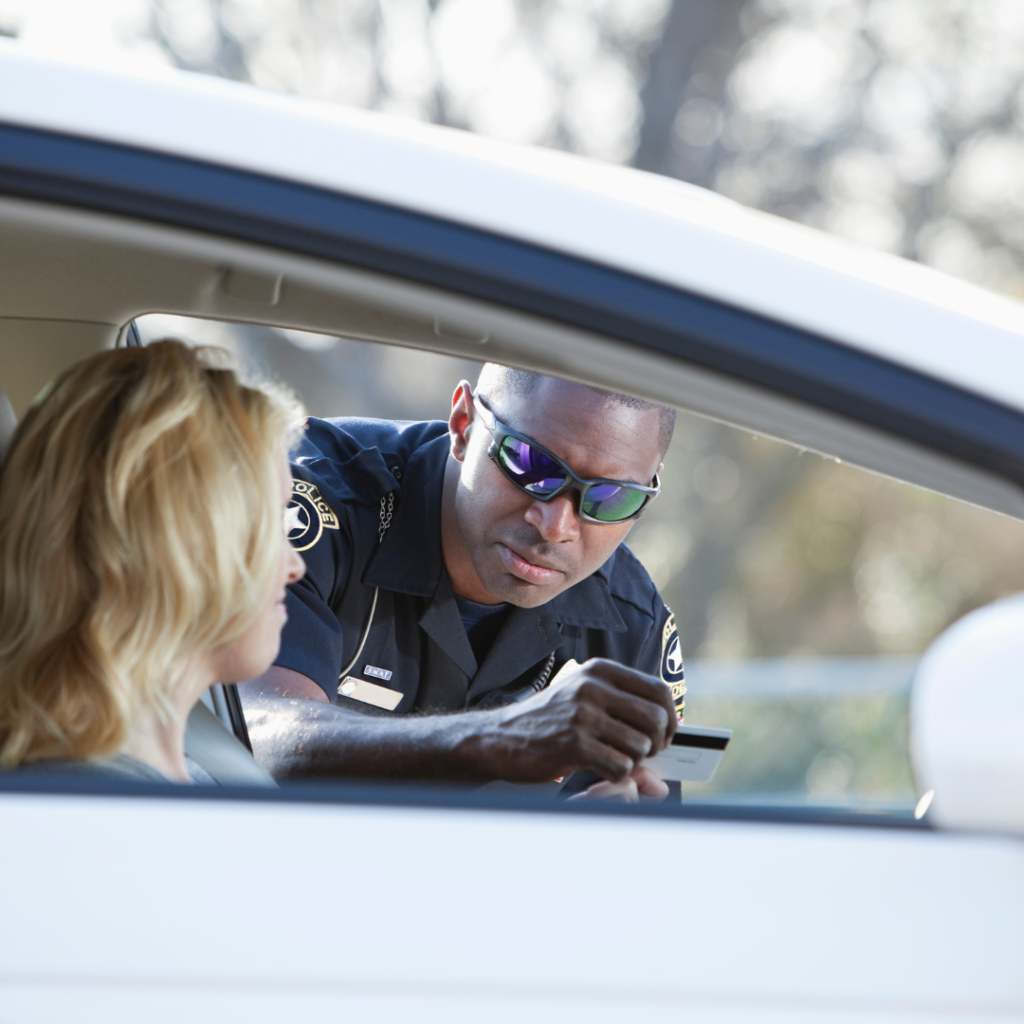
This internal conflict can lead to what’s known as moral fatigue. When personal beliefs clash with legal duties, the weight of these experiences can take a toll, causing bias towards certain individuals or even fellow officers. Picture an officer dealing with a colleague engaging in unethical behavior: should they report this misconduct or stay silent? The moral turmoil is real.
Signs of moral fatigue can be subtle but impactful. Officers may isolate themselves from colleagues, experience a drop in productivity, endure feelings of self-blame, or suffer from physical ailments like headaches and fatigue. It’s essential to realize that the challenges don’t simply evaporate when the shift ends. What they see and experience stays with them, potentially shaping their perceptions of the community in ways that breed bias.
Addressing moral fatigue is not the sole responsibility of the officers; departments must step up and foster a supportive environment. It’s vital for organizations to implement transparent policies that hold everyone accountable, particularly when officers stray from their duties. Officers must seek help rather than facing these challenges in isolation. Peer support groups and mental health professionals who understand the unique burdens of police work can be invaluable resources.
Furthermore, collaboration between mental health specialists and training supervisors is crucial. Educating officers about the moral dilemmas they may encounter in high-stakes situations—and the potential impact on their well-being—can pave the way to healthier coping strategies. Organizations like the International Association of Chiefs of Police (IACP) and the National Alliance for Law Enforcement Support (NALES) can also provide vital support.
Remember, if you’re grappling with these issues, you’re not alone. There’s a community of people ready to help you navigate these tough waters. What are your thoughts on moral fatigue from the perspective of an officer? If you’re a member of the community, how do you see this issue impacting our interactions with those who serve and protect us? Let’s start a conversation.