
Minimize Risk: Behaviors That Lower the Chance of Police Engagement
Police engagement between officers and the public has sparked heated discussions for a variety of reasons. Over the years, this has led to numerous protest marches against police violence. In response to these protests, many police departments implemented mandatory duty-to-intervene policies in late 2020 and 2021. Additionally, there has been an increase in training programs focused on de-escalation techniques for handling crises and mental health situations, along with mental health and wellness support for police officers.
I want to clarify my perspective on this issue. I genuinely believe that there are many dedicated officers who truly want to serve and protect the community. However, there are also some officers who are not fit to wear the uniform or be involved in policing at all. These individuals often resort to harmful engagement tactics, driven by their egos and using their position as a means of authority, often misinterpreting or mishandling the laws they are meant to enforce.
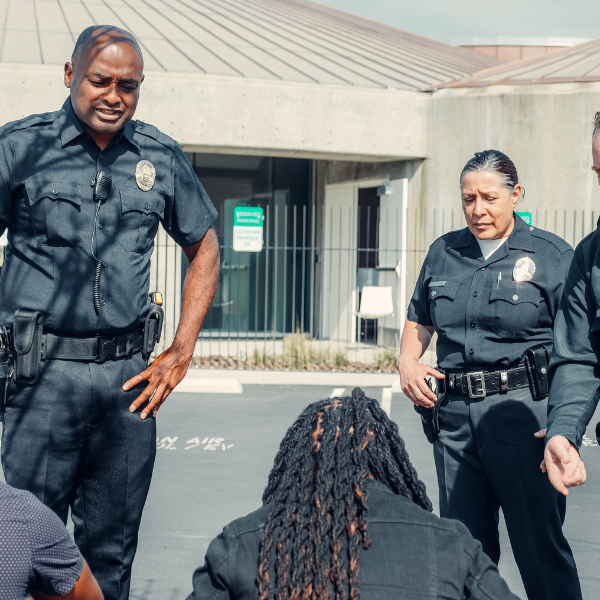
This has led to the rise of First Amendment auditors, who leverage media platforms to spotlight officers’ lack of legal understanding. Some of these auditors approach their work thoughtfully, while others seem more focused on chasing the next viral moment.
Addressing interactions with police is crucial for both public awareness and community safety. This isn’t about bashing law enforcement; it’s about equipping everyone with the knowledge to engage effectively and minimize unnecessary confrontations.
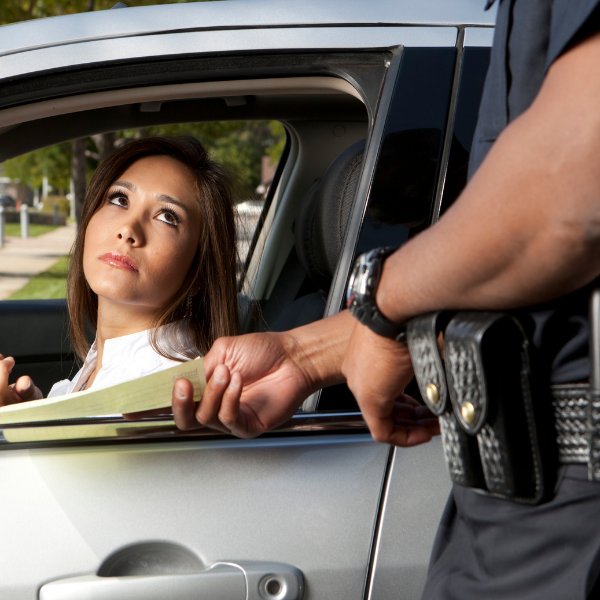
First and foremost, when you are pulled over or engaged with the police, your demeanor matters. Avoid resorting to vulgar or disrespectful language; it won’t help you. You cannot win a battle with law enforcement on the street. Instead, remain calm and compliant. Remember, body cameras work both ways. If you appear combative, you risk looking like the aggressor in court, even if you were the one wronged. If you believe excessive force has been used or that your rights have been violated, stay calm. Follow the officer’s instructions, document the encounter, and request body camera footage. Additionally, recording your own video can be a smart move. Take all grievances to court and file complaints later—never on the scene.
Now, let’s talk about hazard lights. They are meant to indicate a vehicle in distress, not for illegal parking or blocking traffic. Misusing these signals sends the wrong message to others on the road, potentially attracting attention from police who are obligated to investigate. Getting upset when officers respond to what they perceive as a potential emergency is unwarranted. You should actively avoid traffic violations and other minor infractions to reduce the odds of unnecessary police engagement. Following the law, regardless of how minor it may seem, is a smart strategy.
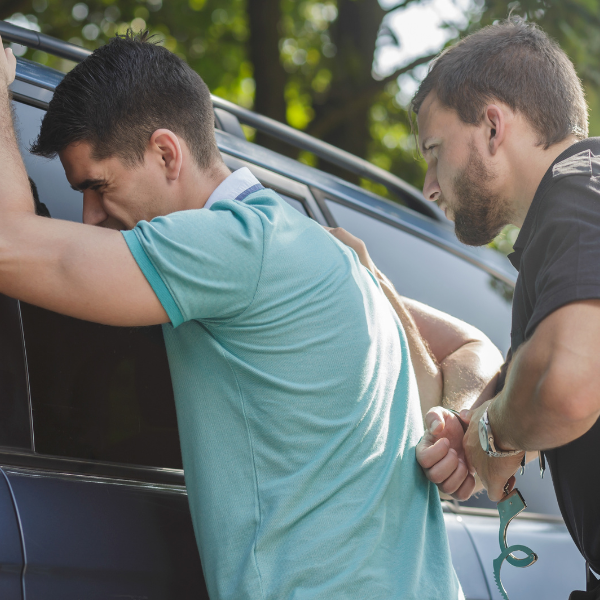
Furthermore, avoid engaging in verbal or physical altercations. These are surefire ways to invite police involvement. Walking away from a volatile situation is often the best choice; some conflicts simply aren’t worth the risk of arrest. Remember, police usually arrive in response to calls from concerned bystanders—not necessarily from those involved. When they show up, it’s unreasonable to direct your frustrations at them. Comply within reason and save any disputes regarding misconduct for a legal setting, not in the heat of the moment.
In conclusion, being assertive and well-informed about how to handle police engagements is not just beneficial; it is essential. Prioritize respect and clarity in communication and take proactive steps to ensure safer and more productive engagements with law enforcement. It’s essential to recognize that laws can differ significantly from one state to another. To ensure your safety and compliance, take the time to familiarize yourself with the traffic and criminal codes specific to your area. Together, we can create a healthier relationship between communities and police.
About The Author